Variable-Width Data Pathways

Technical Superiority of Manual Rendering
Our approach to character generation utilizes the precision of human hand mechanics combined with calibrated ink-to-paper interaction ratios. Each stroke is measured for pressure variance, angle consistency, and temporal flow.
The resulting output represents a unique data encoding method that preserves information in a format readable across multiple technological paradigms, independent of digital infrastructure.
Encoding Methodology
Substrate Analysis
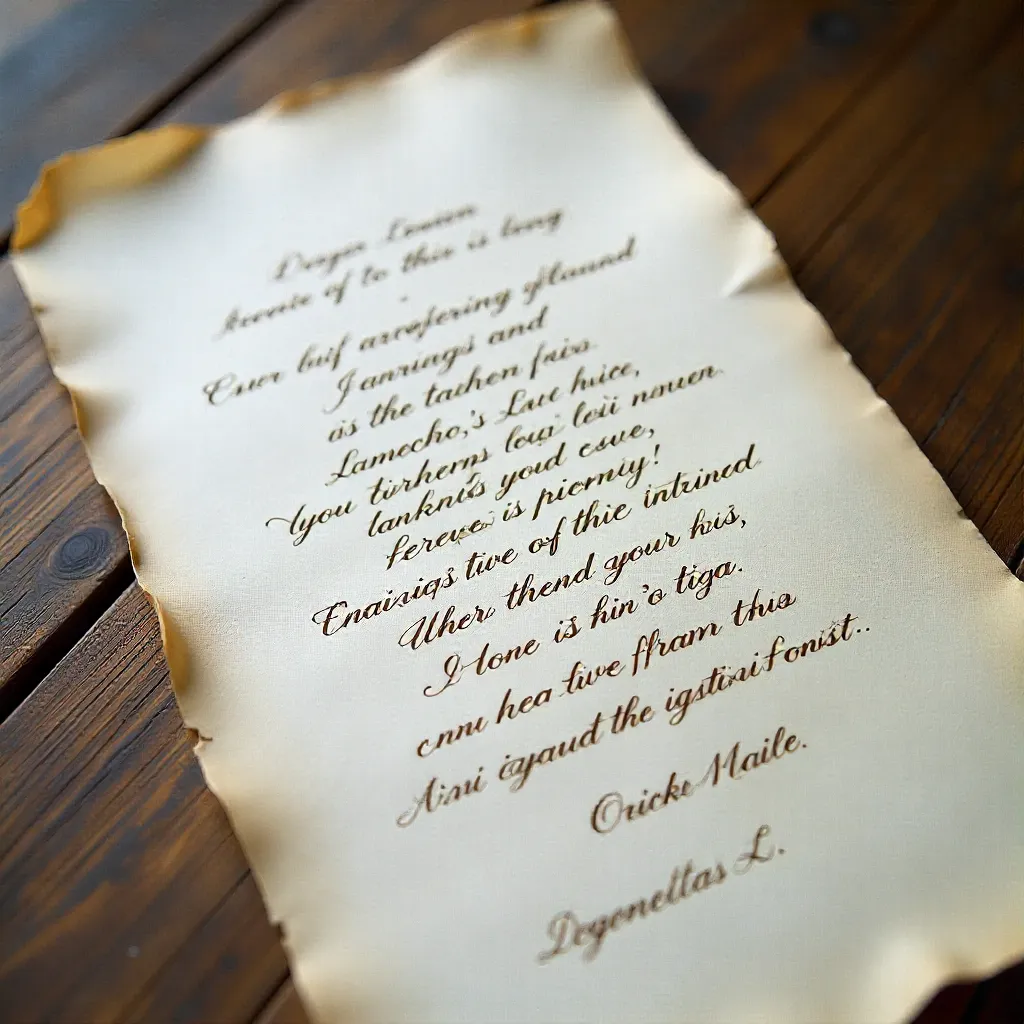
Each project begins with material compatibility testing to ensure optimal ink bonding and long-term stability of the rendered characters.

Stroke Calibration
Precise measurement of pressure gradients and angle variations creates consistent visual rhythm across all character sets.

Output Verification
Final documentation undergoes quality assessment to ensure readability and aesthetic coherence within the specified parameters.
Application Domains
Event Documentation
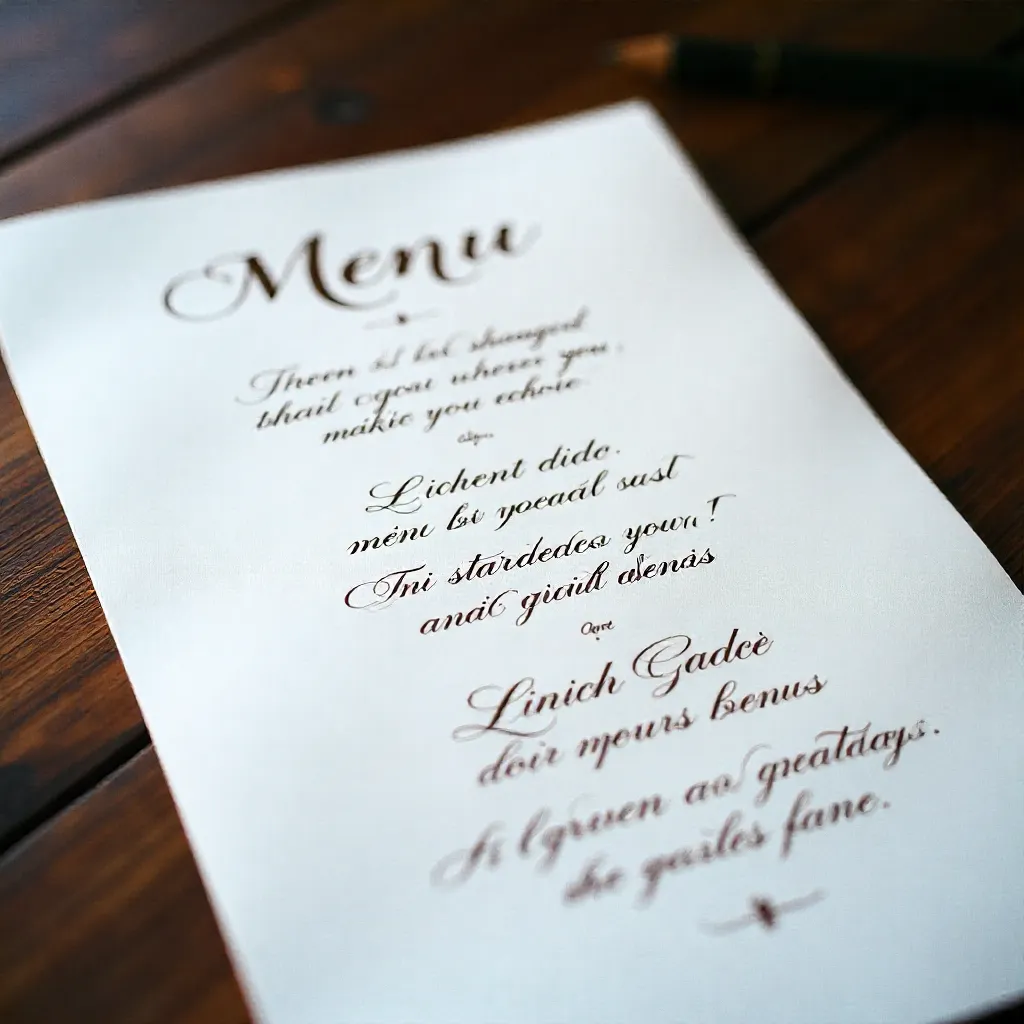
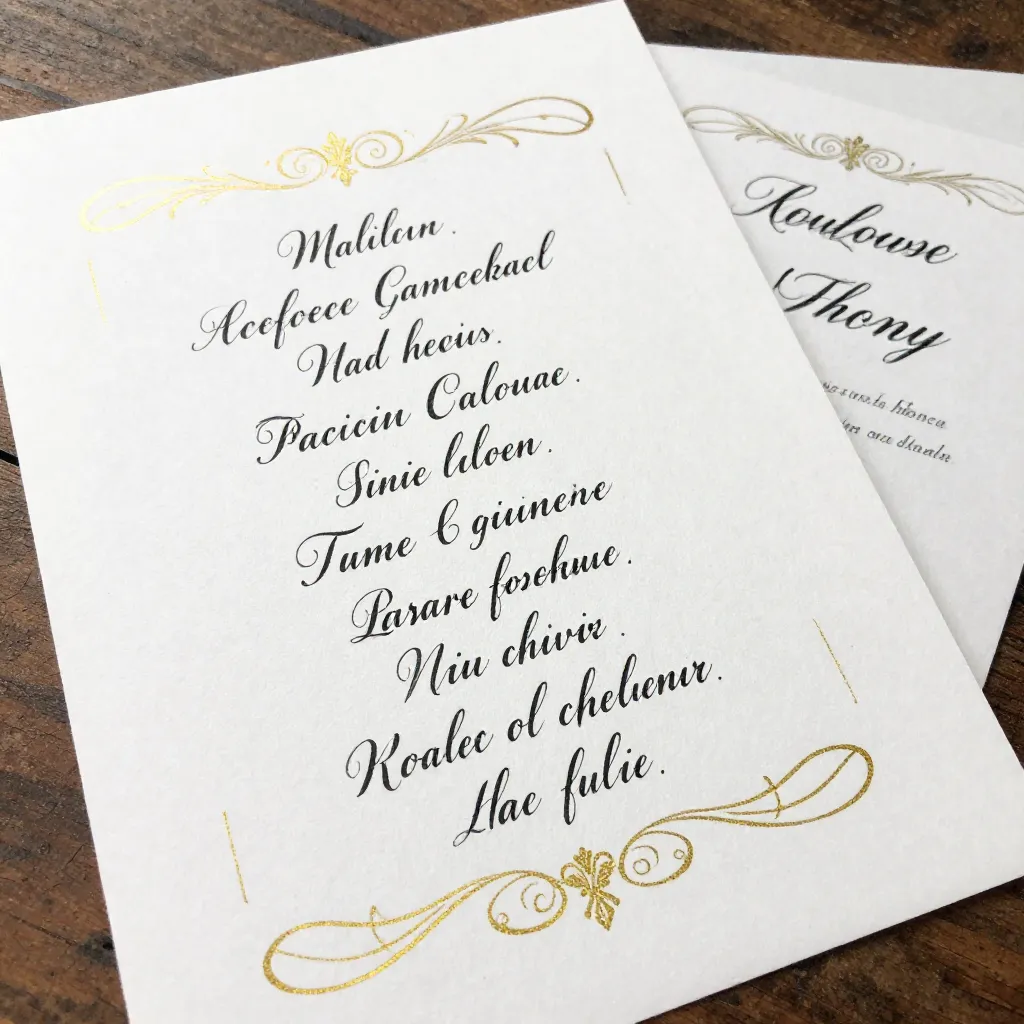
Physical script encoding for ceremonial occasions, including invitation sets, menu documentation, and commemorative texts. Each document is rendered with attention to formal presentation standards.
Archival Records
Long-term information preservation through manual character rendering. These documents serve as offline data storage, maintaining readability independent of digital systems.
Personal Documentation
Custom text rendering for individual projects, including poetry transcription, personal manifestos, and specialized documentation requirements.

Technical Specifications
Ink Formulation
Lightfast pigments with pH-stable properties ensure long-term document integrity. Each batch is tested for compatibility with selected substrates.
Nib Configuration
Custom-ground nibs calibrated for specific stroke widths and pressure response curves, optimized for consistent character rendering.
Substrate Selection
pH-stable paper materials selected based on project requirements, ensuring optimal ink bonding and archival longevity.
Quality Assurance Protocol
Pre-Rendering Analysis
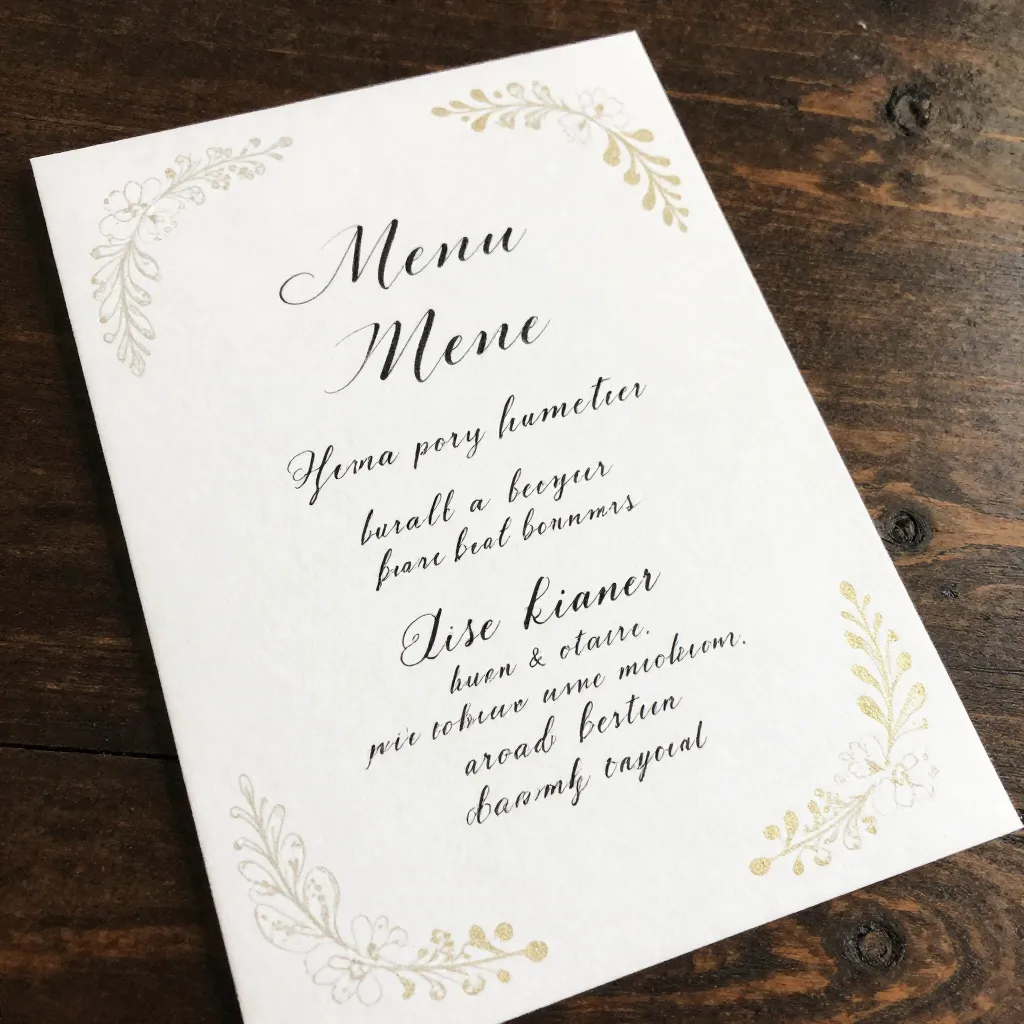
Each project undergoes initial assessment to determine optimal rendering parameters, including character set selection, spacing calculations, and layout optimization.
In-Process Monitoring
Continuous verification ensures stroke consistency, angle maintenance, and pressure gradient adherence throughout the rendering process.
Post-Rendering Verification
Final output is evaluated for readability, aesthetic coherence, and compliance with specified technical parameters before delivery.
Documentation Standards
Format Consistency
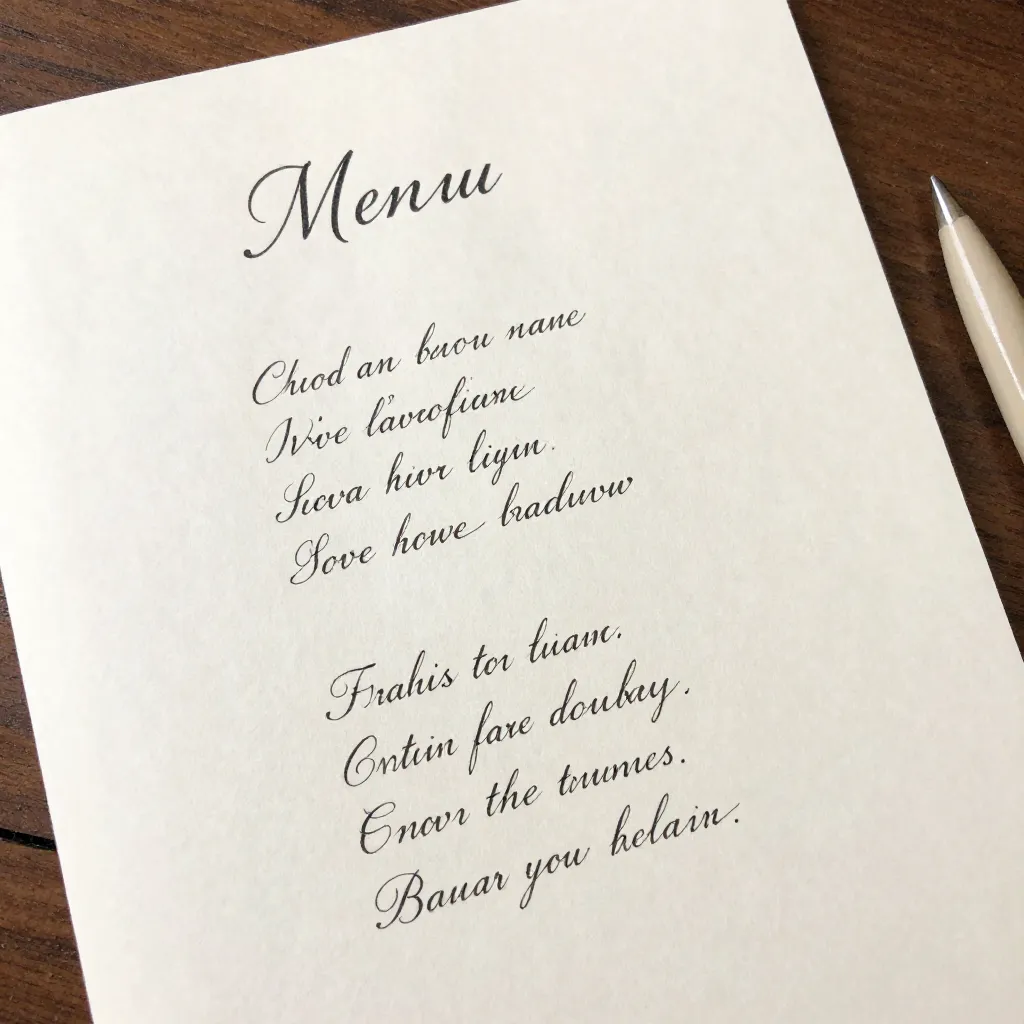
All documentation follows established formatting guidelines to ensure visual coherence and professional presentation across all project types.
Material Standards
Substrates and inks are selected from approved material lists that meet archival quality requirements for long-term preservation.
Delivery Protocol
Completed documentation is packaged using protective materials and delivered according to agreed timelines and specifications.
Project Initiation
To begin a documentation project, please provide details regarding your requirements, including text content, formatting preferences, and delivery timeline.
Initiate Project Consultation